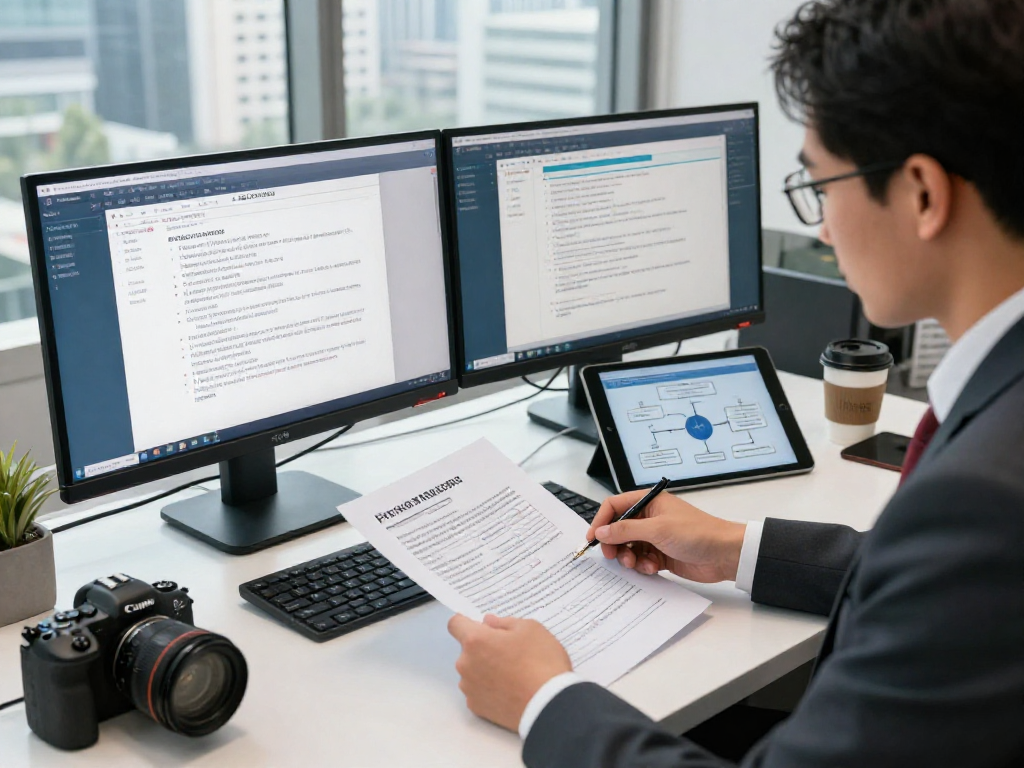
Understanding IT Support for Businesses
In today's fast-paced digital landscape, businesses increasingly rely on technology to operate efficiently and effectively. However, the complexity of IT systems can pose significant challenges. This is where it support for businesses comes into play, providing essential services that enable organizations to leverage technology confidently while minimizing disruptions. From troubleshooting issues to managing network security, IT support plays a pivotal role in ensuring that businesses can focus on their core operations without the distraction of tech-related difficulties.
What is IT Support for Businesses?
IT support for businesses refers to a range of services that help manage, maintain, and enhance an organization's technology infrastructure. This includes everything from software and hardware support to network management and cybersecurity measures. IT support can be delivered in-house by dedicated staff or outsourced to specialized service providers, allowing businesses to choose a solution that best fits their needs.
Types of IT Support Services Available
- Helpdesk Support: Immediate assistance for IT issues via phone or remote support.
- Managed IT Services: Comprehensive management of IT systems, including proactive monitoring and maintenance.
- Cybersecurity Services: Protection against online threats through firewalls, antivirus software, and security protocols.
- Network Management: Ensuring that networks are operating efficiently and securely.
- Data Backup and Recovery: Safeguarding data against loss with regular backups and recovery solutions.
Key Benefits of IT Support for Businesses
Investing in IT support offers several benefits that can enhance a business's operational efficiency and reduce risks. Key advantages include:
- Increased Productivity: Reliable IT support minimizes downtime, allowing employees to focus on their tasks without interruptions.
- Cost Savings: Outsourcing IT support can be more cost-effective than maintaining an in-house team, especially for small businesses.
- Expertise and Innovation: Access to skilled professionals and the latest technologies helps businesses stay competitive.
- Enhanced Security: Proactive IT support includes monitoring and security measures that protect sensitive information.
Assessing Your Business Needs for IT Support
Understanding your specific IT needs is crucial for selecting the right support services. By assessing your business's unique requirements, you can identify the most effective solutions to address your challenges.
Identifying Common IT Challenges
Many businesses face common IT challenges, including:
- Frequent hardware breakdowns or software glitches
- Cybersecurity threats and data breaches
- Inadequate network performance
- Lack of up-to-date technology and software
Determining the Right IT Support Package
Once you've identified your challenges, the next step is to determine the right IT support package for your business. Consider factors like the size of your organization, your industry, and your specific technology needs when making this choice. Packages may vary from basic helpdesk support to comprehensive managed services that include cybersecurity and ongoing monitoring.
Scaling IT Support as Your Business Grows
As your business expands, so too should your IT support. Growth may necessitate a shift from basic services to more robust solutions that can accommodate increased demand. Regular reviews of your IT strategy will help ensure that your support services evolve in line with your business objectives.
Best Practices for Choosing an IT Support Provider
Selecting the right IT support provider is vital to ensure that your business receives the best possible care. Here are some best practices to consider during your search:
What to Look for in an IT Support Provider
- Experience: Look for providers with a proven track record in your industry.
- Service Offerings: Ensure they offer the specific services you need, from helpdesk support to cybersecurity.
- Customer Reviews: Check testimonials and case studies to gauge satisfaction levels among existing clients.
Understanding Response Times and SLAs
Response times and Service Level Agreements (SLAs) are critical factors in evaluating potential IT support providers. Ensure that the provider can deliver timely responses and that terms are clearly defined in the SLA to avoid any misunderstandings.
Evaluating Customer Support and Communication
Effective communication is key to successful IT support. Look for providers that offer transparent communication lines and responsive customer service. This ensures that you can easily reach them when issues arise and that your concerns are treated with urgency.
The Role of Proactive Monitoring in IT Support
Proactive monitoring is an essential component of modern IT support, enabling businesses to identify and resolve issues before they escalate into serious problems.
Advantages of Proactive IT Monitoring
- Early Issue Detection: Identifying potential problems allows for quick resolution, minimizing downtime.
- Reduced Costs: Addressing issues before they affect productivity is generally more cost-effective than remedial repairs.
- Enhanced Security: Continuous monitoring can detect and mitigate cybersecurity threats in real-time.
How RMM Technology Enhances IT Support
Remote Monitoring and Management (RMM) technology plays a critical role in providing proactive IT support. By utilizing RMM tools, IT service providers can monitor systems 24/7, ensuring they function optimally while identifying vulnerabilities that could compromise security.
Real-World Examples of Proactive IT Solutions
Many businesses have benefitted from proactive IT monitoring. For instance, a retail company using RMM tools was able to detect a security breach during a peak sales period, allowing them to implement countermeasures before any data was compromised. Such proactive approaches can save businesses from costly data breaches and downtime.
Future Trends in IT Support for Businesses (2026 and Beyond)
As technology continues to evolve, so do the trends in IT support. Here are some key trends shaping the future of IT support for businesses:
Emerging Technologies in IT Support
New technologies such as artificial intelligence (AI) and machine learning are set to revolutionize IT support by automating routine tasks and enhancing data analysis capabilities. These advancements will lead to faster and more accurate support resolutions.
Shifts in IT Support Strategies for SMEs
Small and medium-sized enterprises (SMEs) are increasingly adopting cloud-based services for their IT needs. This shift offers flexibility, scalability, and cost-effectiveness, allowing businesses to adjust their services according to their unique requirements.
Preparing for Cybersecurity Challenges Ahead
As cyber threats become more sophisticated, businesses must prioritize cybersecurity in their IT support planning. Regular training for employees and investment in advanced security technologies will be essential to safeguard sensitive data and maintain compliance with regulations.
What are the benefits of IT support for businesses?
The benefits of IT support for businesses encompass improved operational efficiency, enhanced security, cost savings, and access to expert knowledge. Businesses can focus on their core objectives, leaving tech management to professionals.
How to choose the right IT support for my business?
Choosing the right IT support involves assessing your business's specific needs, evaluating potential providers based on their expertise, service offerings, and customer reviews, and considering scalability for future growth.
Can IT support help with data security?
Yes, IT support plays a vital role in data security. By implementing monitoring systems, regularly updating software, and providing employee training, IT support services help mitigate risks associated with data breaches and cyber threats.
What is RMM technology in IT support?
Remote Monitoring and Management (RMM) technology allows IT service providers to monitor and manage clients' IT systems remotely. This technology is integral in offering proactive support and ensuring systems run smoothly and securely.
How can I scale my IT support as my business grows?
Scaling IT support involves regularly reviewing your IT needs, choosing flexible service packages that accommodate growth, and ensuring your provider can adapt services to meet the evolving demands of your business.