
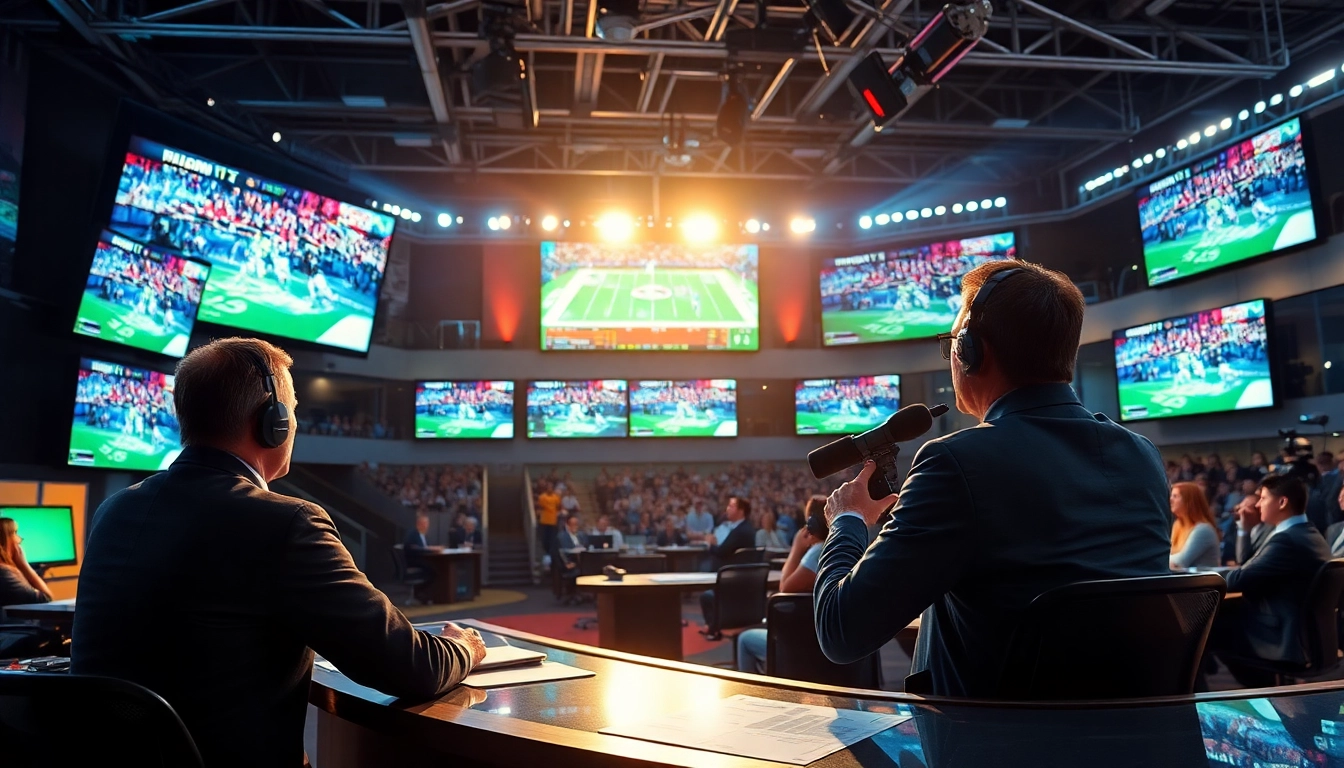
Understanding Sports Broadcasting
Definition of Sports Broadcasting
Sports Broadcasting refers to the distribution of audio and video content pertaining to sporting events over various platforms, including television, radio, and the internet. This medium encompasses live coverage, highlights, analyses, and commentary, aiming to provide fans with an immersive experience while keeping them updated with real-time events. The essence of Sports Broadcasting lies in its ability to connect audiences with their favorite sports and athletes, creating a shared viewing experience that transcends geographical boundaries. As a pivotal part of the sports industry, it also includes financial transactions and marketing strategies that enhance the reach and profitability of sports events. For more insights, explore Sports Broadcasting trends and developments.
History and Evolution
The origins of Sports Broadcasting can be traced back to the early 20th century with the advent of radio broadcasts, which allowed sports fans to follow live games for the first time. The iconic 1921 broadcast of a boxing match marked a significant milestone, paving the way for future developments. With the arrival of television in the 1950s, sports broadcasting underwent a transformative shift. It not only brought the visual appeal of live events to homes but also introduced new production techniques that enhanced the viewing experience.
Over the decades, advancements in technology have propelled Sports Broadcasting into new territories. The introduction of satellite and cable TV brought a plethora of channels dedicated to sports content, significantly expanding audiences. The internet further revolutionized broadcasting, leading to the proliferation of live-streaming platforms and on-demand content, making sports more accessible than ever. Today, with the rise of digital media, Sports Broadcasting is continuously evolving, adapting to changing viewer preferences while integrating user experiences.
Current Trends in Sports Broadcasting
As we delve into the current landscape, several trends are reshaping Sports Broadcasting. The shift toward digital platforms is one of the most significant changes, with streaming services gaining traction among younger audiences. These platforms often provide interactive features such as multiple camera angles, real-time stats, and personalized content, enhancing viewer engagement. Additionally, the use of augmented reality (AR) and virtual reality (VR) is becoming increasingly popular, offering immersive experiences that bring fans closer to the action.
Another trend is the focus on social media integration, where broadcasters leverage platforms like Twitter, Instagram, and TikTok to engage audiences. Live-tweeting, behind-the-scenes content, and viewer polls are common practices that enhance user interaction and build a community around sports events. Moreover, data analytics has transformed how networks curate content, allowing for targeted marketing and personalized viewer experiences that cater to specific interests.
Essential Elements of Sports Broadcasting
Technology in Sports Broadcasting
In the realm of Sports Broadcasting, technology is paramount. From high-definition cameras to advanced graphics systems, the equipment used plays a crucial role in delivering high-quality content. The use of drones for aerial shots, robotic cameras for automated tracking, and 360-degree cameras for immersive experiences are just a few examples of how technology enhances storytelling in sports.
Moreover, broadcasting software that integrates real-time data and analytics helps provide viewers with relevant statistics and insights during live games. Virtual commentary and AI-generated content are also emerging trends, where machine learning algorithms contribute to innovative storytelling methods. As technology continues to evolve, it remains essential for broadcasters to stay updated on the latest tools and methodologies to improve production quality and enhance viewer engagement.
Production Techniques and Best Practices
Effective Sports Broadcasting hinges on the mastery of production techniques. A well-organized broadcast begins with meticulous planning, including the establishment of clear roles and responsibilities among production teams. Creative storyboard development ensures that all key moments are captured, guiding the on-site crew in real-time execution.
Utilization of graphical overlays, replays, and off-tube commentary enhances the viewing experience, allowing audiences to gain a deeper understanding of the action. Moreover, establishing a robust feedback loop through rigorous post-production analysis helps refine techniques and adapt to audience preferences. Maintaining a consistent brand image across broadcasts also plays a crucial role in establishing viewer loyalty and recognition.
Role of Commentary and Analysis
Commentary and analysis are vital elements that add depth to sports broadcasts, offering insights and context that elevate the viewing experience. Effective commentators engage audiences with their expertise, narrating the action while providing thoughtful analyses that enhance understanding. Personal anecdotes and experiences from former athletes serve to humanize the broadcasts, connecting viewers on an emotional level.
Furthermore, expert analysis during halftime shows and post-game discussions offers an opportunity to delve into strategies, performances, and key moments, enriching the overall content. To achieve this, commentators must invest time in research, ensuring accuracy and relevance in their discussions. The interplay between commentators, analysts, and the audience ultimately shapes the overall impact of the narrative presented during sports broadcasts.
Audience Engagement in Sports Broadcasting
Interactive Features and Broadcast Innovations
Increasing audience engagement through interactive features has become a pivotal strategy within Sports Broadcasting. Broadcasters are leveraging technologies such as live polls, chat functions, and interactive graphics to make viewers feel part of the action. These innovations allow audiences to share their opinions and predictions in real-time, fostering a more immersive viewing experience.
Platforms also incorporate features like customizable viewing options, where viewers can select camera angles or access specific statistics. Engaging content such as live Q&A sessions with analysts and athletes creates an avenue for direct interaction, establishing a community atmosphere that extends beyond mere viewership.
Utilizing Social Media and Viewer Feedback
Social media has emerged as a powerful tool in the Sports Broadcasting industry, enabling broadcasters to connect with fans on a personal level. Engaging with viewers through tweets, comments, and live chats during broadcasts fosters a sense of belonging and attachment to the content being presented. The integration of hashtags allows events to trend on social platforms, increasing visibility and encouraging viewers to participate in ongoing discussions.
Furthermore, soliciting viewer feedback helps shape future content. By collecting data on preferences, broadcasters can tailor their offerings to meet audience demands, ultimately driving viewer satisfaction and retention. Incorporating fan-generated content, such as videos and social media posts, can also enrich broadcasts, adding authentic perspectives that resonate with wider audiences.
Building a Community Around Sports Content
Building a community around sports content involves creating spaces for fans to connect and share their passions. Broadcasters can establish forums, fan clubs, or dedicated social media groups where viewers can discuss their favorite teams, players, and events. Initiating conversations about sports history, upcoming matches, and behind-the-scenes insights fosters camaraderie among viewers, strengthening loyalty to the broadcaster.
Community-building strategies often include hosting live events, such as watch parties or fan meetups, which enhance interpersonal connections. By creating shared experiences, broadcasters not only increase viewer engagement but also cultivate a loyal fan base that feels invested in the content being produced. An engaged community translates into higher viewership and increased revenue generation through merchandise and ticket sales.
Regulatory Considerations in Sports Broadcasting
Copyright and Licensing Issues
Copyright issues play a significant role in Sports Broadcasting, as content creators must navigate the complexities of intellectual property laws. Licensing agreements often determine the terms under which broadcasting rights are granted, including restrictions on the use of footage, audio, and logos. It is paramount for broadcasters to secure appropriate licenses to avoid copyright infringement, which can lead to legal ramifications and financial penalties.
Understanding the intricacies of copyright law, including fair use clauses and duration of rights, is essential for broadcasters to ensure compliance while delivering quality content. Working closely with legal teams and remaining informed on emerging regulations is fundamental in protecting both the broadcaster and the rights of content creators.
Understanding Broadcasting Rights
Broadcasting rights encompass a complex web of agreements between sports leagues, event organizers, and media companies. These rights dictate how games are televised or streamed, often varying between regions and platforms. Such agreements can be lucrative, with rights fees representing substantial revenue sources for sports organizations.
Negotiating broadcasting rights involves assessing the market demand, audience sizes, and the potential impact on both the sport and the broadcaster. With advancements in technology, digital streaming rights have emerged as a critical focus, requiring continual adaptation and strategic planning to optimize revenue streams through diverse distribution methods.
Ethical Standards in Sports Broadcasting
Upholding ethical standards is paramount in maintaining the integrity of Sports Broadcasting. Issues such as bias in commentary, the accuracy of information, and respect for players' privacy are crucial considerations. Broadcasters are tasked with delivering objective content while being mindful of their influence on public opinion and perspectives.
Transparency in sponsorships, adhering to codes of conduct established by governing bodies, and fostering diversity in reporting are essential practices that reflect ethical broadcasting. By prioritizing these standards, broadcasters can maintain credibility and trust with their audiences, ultimately strengthening their position within the industry.
Future of Sports Broadcasting
Emerging Technologies and Their Impact
The future of Sports Broadcasting is poised for significant transformation, driven by emerging technologies. Innovations such as Artificial Intelligence (AI) and Machine Learning (ML) are set to revolutionize content creation and curation processes. AI can analyze game footage, create highlight reels, and generate personalized content based on user preferences, thus enhancing the viewing experience.
Additionally, the adoption of 5G technology is expected to play a crucial role in live sports broadcasting, enabling high-speed streaming with minimal latency. Enhanced connectivity will support more immersive experiences, such as augmented reality overlays and multi-angle viewing, creating a richer environment for fans.
Predictions for Viewer Preferences
As viewing habits evolve, predictions indicate a shift toward on-demand content, with viewers increasingly favoring flexibility in how they consume sports. Traditional live broadcasts may give way to customizable viewing experiences that allow audiences to interact with content on their terms. This evolving preference emphasizes the need for broadcasters to adapt their strategies to retain relevance and capture viewer attention.
Furthermore, the rise of esports as a prominent phenomenon suggests that broadcasters must also consider integrating new formats and genres into their lineups, catering to diverse tastes and demographics. Understanding these trends will be pivotal in shaping the future direction of Sports Broadcasting.
Adapting to a Changing Landscape
The changing landscape of Sports Broadcasting requires adaptability and foresight. Broadcasters must be proactive in exploring new distribution channels, innovative production techniques, and interactive elements that resonate with modern viewers. Collaborating with tech companies, engaging with audiences through social platforms, and continuously reinventing content will drive success in the industry.
Embracing a culture of innovation, where experimentation and collaboration are prioritized, will help broadcasters navigate challenges and capitalize on emerging opportunities. As the sports industry evolves, those who can efficiently adapt will continue to thrive, shaping the future of engagement and connection in Sports Broadcasting.
Frequently Asked Questions
What is Sports Broadcasting?
Sports Broadcasting is the distribution of audio and video content related to sports events, including live coverage, commentary, and analysis across various platforms like TV, radio, and online streaming.
How has Sports Broadcasting evolved over time?
Sports Broadcasting began with radio broadcasts in the early 20th century and transitioned to television in the 1950s. Today, digital platforms and streaming services dominate, offering interactive features and advanced technologies.
What role does technology play in Sports Broadcasting?
Technology enhances Sports Broadcasting through high-definition cameras, graphics systems, and streaming capabilities. Innovations like drones and VR create immersive viewing experiences, significantly impacting how content is delivered.
How can audience engagement be improved in Sports Broadcasting?
Audience engagement can be enhanced through interactive features, social media integration, and community-building strategies. Encouraging viewer participation and feedback also helps broadcasters tailor content to audience preferences.
What are the regulatory challenges in Sports Broadcasting?
Regulatory challenges include copyright and licensing issues, which require careful navigation of intellectual property laws. Broadcasters must secure rights while maintaining compliance with evolving regulations in the industry.