
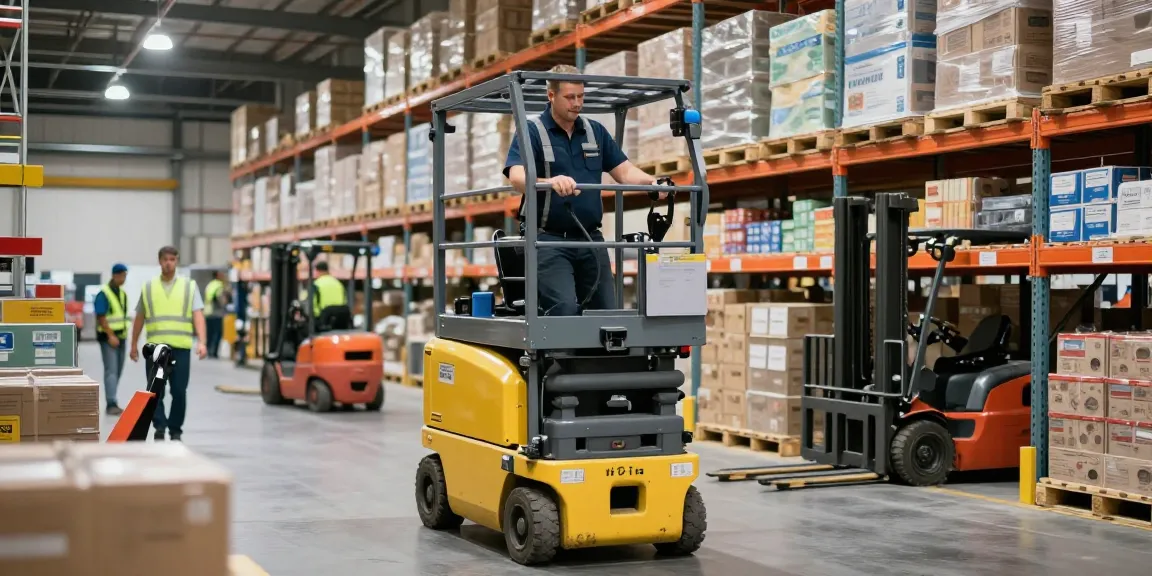
The Importance of Choosing the Right Electric Scissor Lift for Sale
In the ever-evolving landscape of material handling and warehouse operations, electric scissor lifts have emerged as essential equipment for enhancing safety and efficiency. As operations become increasingly demanding in terms of reach, safety, and compliance, understanding the nuances of selecting the right electric scissor lift is critical. When exploring options, electric scissor lift for sale provides comprehensive insights into the capabilities and features vital for various business applications. This guide will analyze the key elements to consider when investing in this equipment.
Understanding Your Warehouse Needs
Before diving into the specifics of electric scissor lifts, it’s crucial to assess the unique requirements of your warehouse or job site. Different operations demand varying features, such as height, weight capacity, and maneuverability. For instance, a busy warehouse may require lifts that can navigate tight aisles, whereas construction sites may demand units that can extend to substantial heights for tasks like roofing or structural work.
Assessing Lifting Capacity and Reach
The lifting capacity of an electric scissor lift is one of the most critical factors in ensuring safety and productivity. Generally, these lifts come with capacities ranging from 300 to over 1,000 pounds, depending on their design and intended use. You must evaluate the weight of the personnel and materials involved in your operations to select a lift that meets these demands adequately.
Moreover, consider the maximum height you need to reach. Scissor lifts can range widely, with some models capable of extending up to 40 feet or more. Choosing a lift that can comfortably reach your work area will minimize the risk of accidents caused by overreaching or inadequate height.
Evaluating Safety Features and Compliance
Safety is paramount when operating electric scissor lifts. Features such as automatic braking systems, guardrails, and emergency stop buttons are essential for preventing accidents. Additionally, ensuring that the scissor lift complies with industry standards is a must. Familiarize yourself with regulations set by occupational safety organizations to avoid potential legal repercussions and safeguard employee wellbeing.
Common Misconceptions About Electric Scissor Lifts
Despite their prevalence, there are numerous misconceptions regarding electric scissor lifts. Addressing these myths helps ensure informed purchasing decisions and effective operational strategies.
Debunking the Myths of Electric vs. Diesel
A common misconception is that electric lifts are less powerful than their diesel counterparts. While diesel lifts may offer higher torque for rough terrain, electric models have dramatically improved in terms of power and efficiency. Moreover, electric scissor lifts are generally better suited for indoor operations due to their zero-emission nature, contributing to improved air quality and a safer working environment.
Understanding Maintenance Myths
Another myth is that electric scissor lifts require extensive maintenance. In reality, these lifts often have fewer moving parts compared to gasoline or diesel versions, requiring less frequent and simpler maintenance. Regular inspections and adherence to the manufacturer’s maintenance schedule can keep these lifts in optimal working condition with minimal hassle.
Addressing Power Supply Concerns
Concerns regarding power supply limitations can also deter businesses from investing in electric models. Modern electric scissor lifts are equipped with high-capacity batteries that can sustain long working hours. Understanding your power supply needs and implementing charging stations can effectively mitigate these concerns.
Best Practices for Utilization and Safety
To maximize the benefits of electric scissor lifts, implementing best practices in utilization and safety is essential. Proper training and adherence to safety protocols can significantly reduce the likelihood of accidents.
Training Your Team on Safe Operation
Your team should be well-versed in the operation of electric scissor lifts. Providing comprehensive training that includes hands-on practice and assessment can ensure that operators are competent in navigating the equipment safely and effectively. Regular refresher courses can also help keep safety top of mind.
Conducting Regular Maintenance Checks
Establishing a routine maintenance schedule is critical. Regular checks on batteries, controls, and structural components can prevent unexpected downtimes and extend the life of the equipment. It’s advisable to maintain a detailed log of inspections and servicing for compliance and warranty purposes.
Implementing Safety Protocols in the Workspace
Creating an environment that promotes safety involves implementing protocols that govern the operation of scissor lifts. This may include procedures for securing the area prior to lift operation, use of personal protective equipment (PPE), and establishing communication protocols among team members. Regular safety drills can heighten awareness and preparedness.
Maximizing Efficiency with Electric Scissor Lifts in 2026
As we move into 2026, it is essential to consider how electrification and technology integration will continue to shape the operations of material handling equipment like electric scissor lifts.
Integrating Technology for Enhanced Operations
Advanced technologies are transforming the material handling landscape. Features such as telematics allow for real-time tracking of equipment performance, usage statistics, and predictive maintenance alerts. Investing in electric scissor lifts with these capabilities can enhance operational efficiency and provide insights that improve decision-making.
Case Studies of Successful Implementations
Examining real-world examples of electric scissor lift implementations can provide valuable insights. Companies that have embraced electric lifts often report improved productivity, reduced operational costs, and elevated safety levels compared to traditional equipment. These case studies serve as a testament to the evolving role of electric scissor lifts in various industries.
Future Trends in Material Handling Equipment
Looking forward, we can expect further innovations in electric scissor lifts and related equipment. As sustainability becomes a core value for many businesses, electric options will likely continue to take precedence over fossil fuel alternatives. Additionally, advancements in battery technology and electric drive systems will enhance performance and efficiency, making electric scissor lifts an even more appealing option for businesses concerned about both performance and environmental impact.
Frequently Asked Questions About Electric Scissor Lifts
This section aims to address common queries regarding electric scissor lifts to further assist interested buyers in making informed decisions.
What maintenance is required for an electric scissor lift?
Routine maintenance typically includes checking battery levels, inspecting hydraulic systems, and ensuring all controls are functioning correctly. It’s also essential to perform regular visual inspections for signs of wear or damage.
How do I choose the right size for my electric scissor lift?
The right size depends on both the height you need to reach and the weight capacity required for your operations. Analyze your work environment’s constraints and load requirements prior to making a decision.
Are electric scissor lifts worth the investment?
While the initial investment may be higher than traditional lifts, the long-term savings from reduced fuel costs, lower maintenance, and enhanced employee safety can make electric scissor lifts a wise investment for many businesses.
What are the safety requirements for using electric scissor lifts?
Operators must be trained and familiar with the lift’s specifications and operational guidelines. Additionally, safety protocols regarding the use of PPE and the securement of the work area must be followed.
How can electric scissor lifts improve productivity?
By providing enhanced mobility and reach, electric scissor lifts can significantly reduce the time required to complete tasks at various heights, thus improving overall operational efficiency. Their ease of use and versatility make them a favorite in dynamic work environments.
